Sustainability
Sustainability is not a single attribute—it encompasses a material's entire lifecycle. We approach polymer development by evaluating material origins, manufacturing footprints, and realistic end-of-life scenarios to ensure meaningful environmental impact.
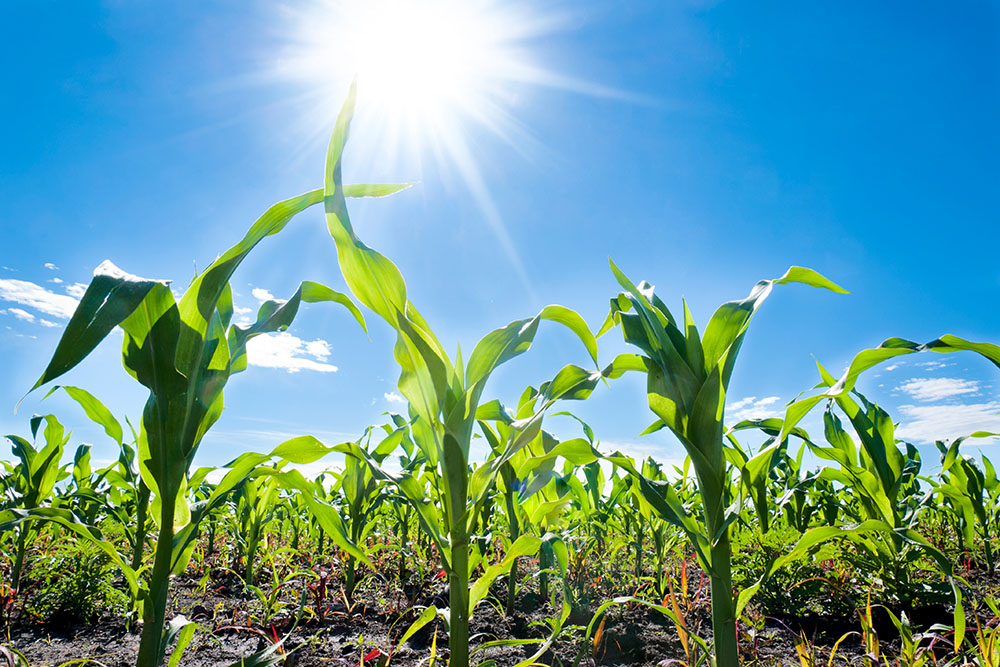
Bio-Based Raw Materials
We transition reliance away from fossil fuels by using feedstocks derived from renewable sources and circular economy loops.
- Renewable agricultural crops
- Agricultural waste byproducts
- Recycling previously used materials

Efficient Production
A sustainable material should be manufactured and processed in sustainable ways. We actively optimize our processes to reduce carbon footprints.
- Lower required processing temperatures
- Reduced overall energy consumption
- Reduction/elimination of toxic/environmentally damaging additives
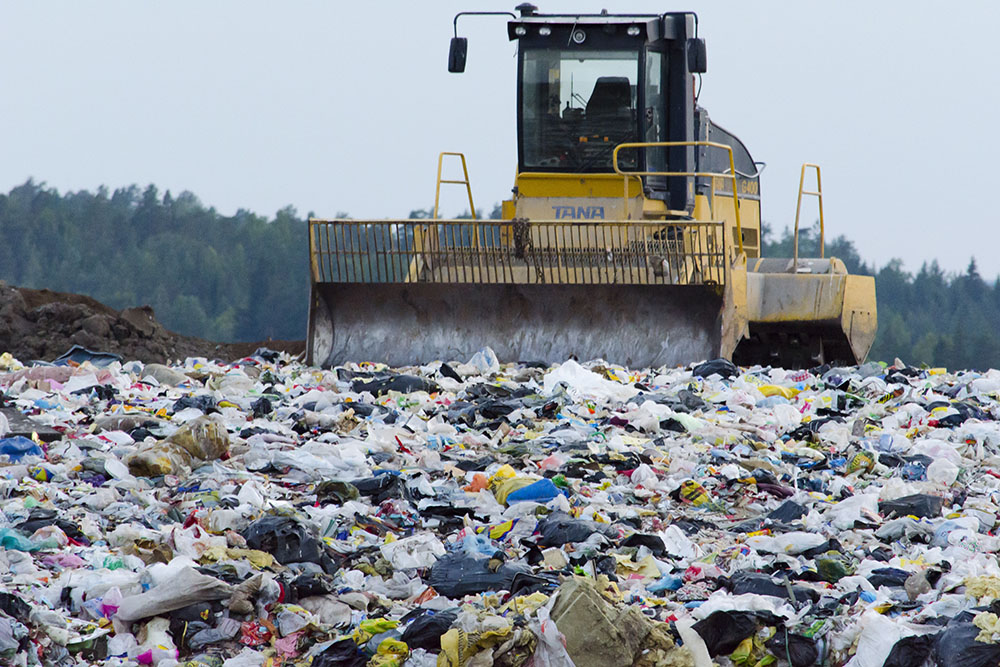
End-of-Life Realities
We engineer materials specifically for their intended disposal environments, ensuring they degrade or recycle as intended rather than contributing to microplastic pollution.
- Composting: Industrial and/or home compostability
- Degradation Timelines: Measured breakdown in soil, marine/ocean water, and active landfills
- Circularity: Mechanical and chemical recycling potential